
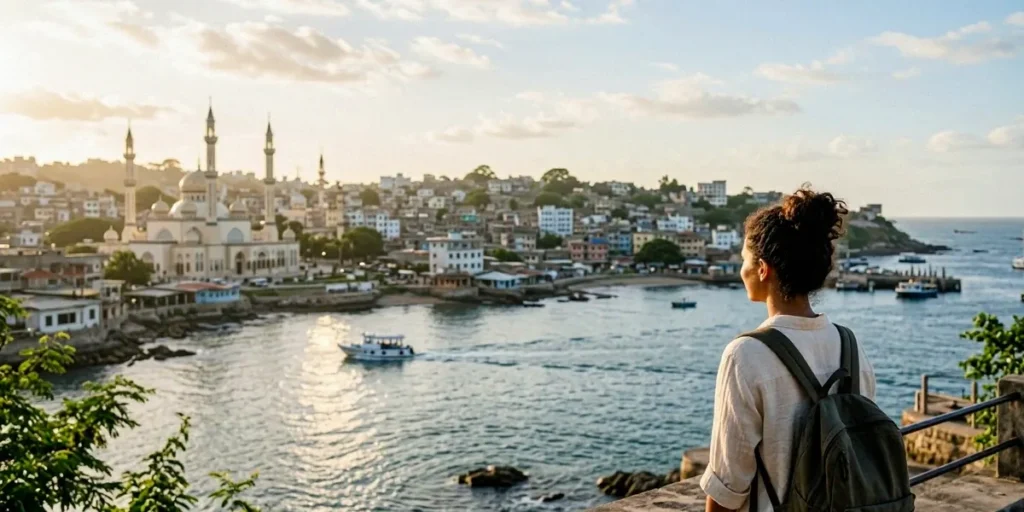
Conakry: A First-Timer’s Guide
The moment your Air France flight from Montreal or Paris touches down at Ahmed Sékou Touré International Airport, the humid West African air hits you the second the cabin door opens. It smells like rain, diesel, and something cooking. If you’re a first-timer arriving from Canada, that first breath is your introduction to Conakry — a city of roughly two million people spread across a narrow peninsula, where traffic jams and mango trees share the same street. We’ve put together this guide to walk you through the practical stuff: visas, vaccines, transport, neighborhoods, food, and how to tap into the Guinean diaspora networks that already connect Conakry to Montreal and Ottawa.
Before You Go: Visas, Vaccines, and Packing

Getting the paperwork right before you leave Canada saves you hours of stress at the airport in Conakry. Here’s what we tell friends planning their first trip.
Visa Options for Canadian Passport Holders
Canadian citizens need a visa to enter Guinea. The easiest route is the official e-visa portal, which lets you apply online, upload a passport photo and a scan of your passport, and pay by card. Approval usually comes through within 72 hours, and you print the confirmation to show on arrival. A single-entry tourist visa is the standard choice for short visits; business travelers can request a multi-entry version. You can also apply through the Guinean embassy in Ottawa, but the e-visa is faster and avoids courier costs. Double-check your passport has at least six months of validity and two blank pages.
Health Preparations: Yellow Fever and Malaria
Yellow fever vaccination is mandatory for entry into Guinea, and you’ll be asked for your International Certificate of Vaccination at the airport. Get the shot at least ten days before departure — travel clinics in Montreal, Toronto, and Ottawa stock it, but appointments fill up, so book early. Malaria is present year-round in Conakry, so most Canadian travel doctors prescribe antimalarials such as Malarone or doxycycline. Bring mosquito repellent with DEET, and consider typhoid and hepatitis A vaccines as well. Travel insurance that covers medical evacuation is not optional in our view — it’s essential.
What to Pack for Conakry’s Climate
Conakry is hot and humid most of the year, with a heavy rainy season from June to October. Lightweight, breathable clothing in cotton or linen works best. Bring a rain shell if you’re traveling in the wet months, plus comfortable sandals and one pair of closed shoes for evenings. Modest dress is appreciated outside beach areas — shoulders and knees covered goes a long way. Pack a universal adapter (Guinea uses European-style Type C and E plugs, 220V), a power bank, and any medication you need in its original packaging.
Getting There and Getting Around
There’s no nonstop flight from Canada to Conakry. Understanding your routing options — and how to move once you land — is half the battle.
Flights from Canada: Routes and Airlines
Air France and Royal Air Maroc are common connecting airlines for Canadians flying to Conakry. Air France routes you through Paris Charles de Gaulle, with a flight time from Montreal of roughly 12 to 14 hours including the layover. Royal Air Maroc connects via Casablanca and often comes in cheaper. Turkish Airlines via Istanbul is another option. Direct flights from Montreal to Conakry are rare and irregular, so plan on at least one connection. Book at least two months ahead for the best fares, especially if you’re traveling during the December holidays when diaspora traffic peaks.
Airport Arrival: Taxis, SIM Cards, and Money
Ahmed Sékou Touré International Airport is in Gbessia, about 15 km from the city center. Once you clear immigration and baggage claim, you’ll find taxi drivers outside the terminal. Agree on a price before getting in — expect to negotiate, and don’t be shy. Orange and MTN SIM cards can be bought at or near the airport; a data bundle is cheap and will save you on roaming. There are ATMs, but they’re unreliable and often empty, so carry Canadian dollars or euros in cash and exchange them at a bureau de change or your hotel. You’ll get better rates on larger notes.
Local Transport: Taxis, Buses, and Motorbikes
Getting around Conakry takes patience. Your main options:
- Yellow taxis: Shared by default — you’ll often pick up other passengers along the way. Negotiate the fare before departure.
- Private taxis: Available through apps or by asking your hotel; more expensive but far more comfortable.
- Minibuses (magbana): Cheap and crowded, best avoided unless you’re adventurous and speak some French.
- Motorbike taxis: Fast in traffic but risky; helmets are rarely provided.
- Setrag train: The new rail line linking Conakry to Kamsar is primarily for freight but has expanded passenger service — check current schedules locally.
Where to Stay: Neighborhoods and Hotels
Where you stay shapes your whole trip. Conakry’s neighborhoods have very different personalities.
Kaloum: The Business and Government Hub
Kaloum sits at the tip of the peninsula and is the administrative and commercial heart of the city. It’s where you’ll find ministries, banks, and the port. Hotel Kaloum is a reliable, well-known choice here — comfortable, secure, and used to hosting international visitors. If your trip is business-focused, staying in Kaloum puts you within walking distance of most meetings.
Kipé and Taouyah: Dining and Nightlife
Kipé, in the Ratoma commune, is where Conakry’s restaurant and nightlife scene concentrates. The Noom Hotel Conakry is a popular upscale option in Kipé, with a rooftop pool and views over the Atlantic. Taouyah, nearby, has a more local feel with maquis (informal eateries) serving grilled fish and cold drinks. If you want evenings out, this is the area to base yourself.
Budget vs. Mid-Range vs. Luxury Options
Budget travelers can find guesthouses in Kipé and Matam for reasonable rates, though quality varies — read recent reviews carefully. Mid-range hotels cluster around Kaloum and Kipé and typically include breakfast and reliable Wi-Fi. At the luxury end, Noom Hotel and Hotel Kaloum are the names most Canadians recognize. Book ahead during peak season (December–February) and confirm airport transfers directly with your hotel.
What to See and Do in Conakry
Conakry rewards curiosity. Here are the highlights we recommend to first-timers.
Cultural and Historical Sites
The Grand Mosque of Conakry, in the Kaloum area, is one of the largest in West Africa and a striking piece of architecture — modest dress required, and non-Muslims should visit outside prayer times. The National Museum of Guinea, near the Palais du Peuple, houses masks, instruments, and historical artifacts that give context to the country’s many ethnic groups. The Monument de la Révolution and the botanical garden at Camayenne are worth a short stop. Mornings are cooler and less crowded.
Îles de Los: A Beach Escape
Îles de Los is a short boat ride from Conakry’s port and a top day-trip destination. The archipelago includes Île de Tamara, Île de Kassa, and Île de Roume. Tamara has the best beaches and a few small restaurants serving fresh fish. Boats leave from the port in the morning — go early, agree on a return time with your boat captain, and bring cash, sunscreen, and water. Weekdays are quieter than weekends.
Markets and Shopping: Madina and Beyond
Marché Madina is Conakry’s biggest market and a sensory overload in the best way. It’s the place to buy wax fabric, tailored clothing, and household goods. Go with a local guide if you can, keep valuables out of sight, and bargain with good humor. For a calmer experience, the craft market near the National Museum sells wood carvings, drums, and jewelry. The Marché de Taouyah is smaller but good for fresh produce and everyday items.
Food, Safety, and Diaspora Connections
Eating well, staying safe, and connecting with community are the parts of the trip that most Canadians remember longest.
Must-Try Guinean Dishes and Restaurants
Guinean food is built on rice, sauces, and grilled meat. Riz gras (rice cooked in a rich tomato and oil base with vegetables and meat) is the national staple. Poulet yassa — chicken marinated in lemon and onions — is another must. Try grilled fish (poisson braisé) at a maquis in Taouyah, and don’t skip the peanut sauce dishes. For a sit-down meal, Kipé has the widest range, from Lebanese to French to West African. Street food like fried plantains and brochettes is cheap and generally safe if it’s cooked hot in front of you.
Staying Safe: Practical Advice for Canadians
Conakry is generally welcoming, but petty crime exists. Common scams include overcharging taxis, fake “guides” at the airport, and unofficial money changers offering inflated rates. Use registered exchange bureaus or your hotel, keep a copy of your passport separate from the original, and avoid walking alone at night in unfamiliar areas. Register with Global Affairs Canada before you travel. Political demonstrations can flare up — check local news and stay clear. Drink bottled or filtered water only.
Meeting the Guinean Diaspora in Conakry
The Guinean diaspora in Canada is concentrated in Montreal and Ottawa, and those networks often loop back to Conakry. Community associations, WhatsApp groups, and cultural organizations regularly host events, and many returnees or visiting families are happy to connect with Canadians. If you’re traveling for family reasons or research, reaching out before you go can open doors — from introductions to trusted drivers to invitations to family meals. Our team can help point you toward the right associations.
Conakry isn’t a polished tourist city, and that’s exactly why it stays with you. Embrace the chaos with patience and curiosity — the traffic, the music, the smell of grilled fish at dusk — and you’ll come away with a far richer trip than any resort could offer. If you’re planning a visit tied to family, business, or diaspora connections, reach out to our team for tailored advice.
FAQ
Do Canadians need a visa to visit Guinea?
Yes. Canadian passport holders need a visa for Guinea. The fastest route is the official e-visa portal, which typically approves applications within 72 hours. You can also apply through the Guinean embassy in Ottawa, but processing is slower.
Is yellow fever vaccination required for entry into Guinea?
Yes, yellow fever vaccination is mandatory for entry into Guinea, and you’ll be asked to show your International Certificate of Vaccination on arrival. Get vaccinated at least ten days before you travel.
Are there direct flights from Canada to Conakry?
Direct flights from Montreal to Conakry are rare and irregular. Most Canadians connect through Paris with Air France or through Casablanca with Royal Air Maroc. Turkish Airlines via Istanbul is another common option.
Can I use ATMs and credit cards in Conakry?
ATMs in Conakry are unreliable and often empty, and credit card acceptance is limited outside major hotels. We recommend carrying Canadian dollars or euros in cash and exchanging them at a bureau de change or your hotel.
Where is the Guinean diaspora in Canada concentrated?
The Guinean diaspora in Canada is concentrated in Montreal and Ottawa. Community associations in both cities host cultural events and can often help travelers connect with contacts in Conakry.